My Account


Explore this guide:
What is high pressure waterjetting for industrial cleaning?
High pressure waterjetting uses a focused stream of pressurised water to remove scale, sludge, hardened product, old coatings and other deposits from industrial equipment, with no abrasive media needed. It is used on heat exchangers, tanks, vessels, pipes, boilers and process plant, both for routine cleaning and during maintenance shutdowns.Pressure is only part of the picture. The result depends on pressure, flow, nozzle type, stand-off distance and travel speed working together, so the right set-up for a tube bundle is not the right set-up for a tank floor.
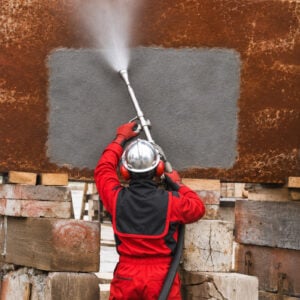
This page is for plant and maintenance managers, shutdown planners and cleaning contractors who want to understand their options before choosing equipment. If your main job is removing paint and corrosion from steel, see Ultra-High Pressure Waterjetting for Surface Preparation. For concrete removal and repair, see Waterjetting for Hydrodemolition.
Where is waterjetting used in industrial cleaning?
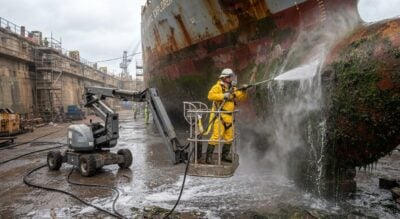
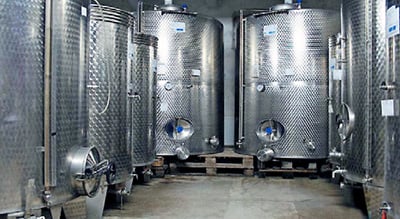
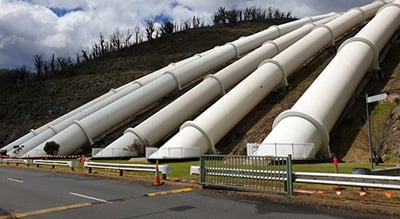
Waterjetting suits any hard-surfaced industrial asset where deposits need to come off without damaging the surface underneath. It is used across oil and gas, petrochemical, power generation, steel, chemical processing, cement, food and beverage, pulp and paper, and general manufacturing.
APPLICATION
WHAT IS BEING REMOVED
TYPICAL APPROACH
Tanks and vessels
Sludge, residue, scale and hardened product
Rotating nozzles and lances, with remote or robotic tools where entry is not wanted
Pipes and lines
Blockages, scale and build-up
Pipe nozzles and flexible lances
Boilers and condensers
Scale and deposits
Flexible tube-cleaning tools and lances
Process plant and equipment
Cement, residue and hardened product
Handheld lances, mechanised tools
Heat exchanger tube bundles
Scale and fouling inside and between tubes
Tube lancers and nozzles for the tube interior; shell-side tools for the outside of the bundle
Refractory and linings
Refractory material at shutdown
Handheld or mechanised lances
Pre-inspection and pre-coating cleaning
Loose coatings, contaminants and deposits
Handheld lances or robotic crawlers, then inspection or recoating
Much of this work is done during planned shutdowns and turnarounds, when cleaning has to be finished on time so the next crew can start.
How much pressure does industrial cleaning need?
There is no single correct pressure: the right tier depends on what has to come off and what it is stuck to. Pressure does the cutting, and flow carries the debris away, so both matter.
CATEGORY
PRESSURE
TYPICAL INDUSTRIAL USES
Low-pressure water cleaning
Below 5,000 psi (345 bar)
Loose dirt, light growth and loose material
High-pressure water cleaning
5,000 to 10,000 psi (345 to 690 bar)
Clearing pipe, loose scale and rust, weak concrete; lime scale and tar at the upper end
High-pressure waterjetting
Up to 29,000 psi (2,000 bar)
Paint and mill scale removal, burned-on deposits
Ultra-high pressure (UHP) waterjetting
Above 29,000 psi (2,000 bar)
The most tightly bonded coatings and deposits; scouring a surface ahead of abrasive blasting
Much of this work is done during planned shutdowns and turnarounds, when cleaning has to be finished on time so the next crew can start.
Why do plants and contractors choose waterjetting for cleaning?
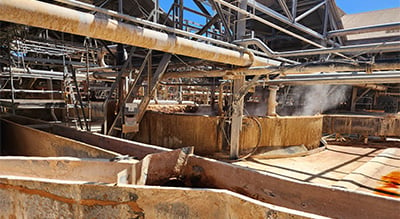
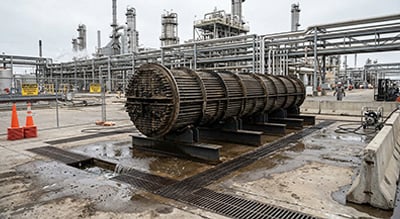
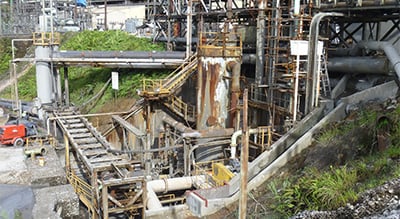
Plants choose waterjetting because it removes hard deposits from the asset itself without chemicals, abrasive media or heat.
- Cleans without damaging the surface. With pressure, flow and stand-off distance set correctly, the water removes the deposit and leaves the substrate intact.
- No cleaning chemicals. The process relies on water, so there are no harsh chemicals to handle, store or dispose of, and wash water can be collected and treated.
- No abrasive waste or dust. Compared with abrasive blasting there is no spent media and no airborne abrasive dust, and containment needs are typically lighter.
- No sparks or heat. Waterjetting does not create sparks or heat-affected zones, which suits areas where ignition sources are a concern. Site permit requirements still apply.
- Reaches awkward spaces. Flexible lances, rotating nozzles and remote tools get inside tube bundles, vessels and pipework.
- Keeps people further from the jet. Remote and mechanised tools increase the distance between the operator and the work area and reduce the need to enter hazardous spaces.
- Supports shutdown schedules. Assets come back clean and ready for inspection, repair or recoating, which helps keep the shutdown plan on track.
Manual or robotic: which suits your cleaning job?
Manual waterjetting suits small, irregular or tight-access jobs; mechanised and robotic tools suit large, repetitive or hazardous ones. Most plants use both.
- MANUAL. A trained operator with a lance or gun is the most flexible option for small areas, detail work, awkward geometry and one-off jobs. The limit is thrust: the operator has to hold the reaction force, which caps the safe flow and power.
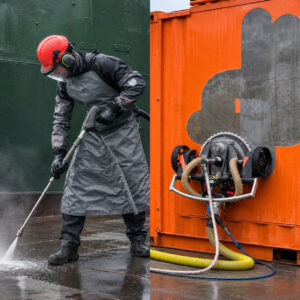
- MECHANISED AND ROBOTIC. The machine carries the reaction force, so higher-flow tooling is possible, with more consistent travel speed and stand-off distance. Examples include tube lancers for heat exchanger bundles, shell-side cleaners with wireless controls, and magnetic crawlers such as VertiDrive that carry the tool across steel tank walls and vessels.
A combined approach is common: mechanised equipment handles the main production areas, and manual tools finish the edges, corners and penetrations.
For a side-by-side comparison, read our guide to Manual vs Robotic Waterjetting.
What equipment and safety measures does the job need?
A cleaning system is more than a pump: the pump powers it, but the tooling, controls and protection decide whether the job is done safely and well.
- Power: a UHP pump sized for the pressure and flow the job needs.
- Delivery: UHP hoses and fittings rated for the working pressure, with restraints.
- Tooling: lances, guns, rotating nozzles, tube lancers or robotic tools matched to the asset.
- Controls: dump and emergency shutdown controls so the operator can stop the jet at once.
- Water and waste: a clean water supply, plus containment and recovery for wash water and solids.
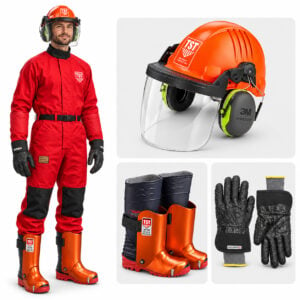
- Protection: operator PPE suited to the pressure in use.
UHP waterjets carry enough energy to cause serious injury, including injection injuries, so training, exclusion zones, a site risk assessment and the right PPE are not optional. Our UHP Waterjetting PPE and Safety Guide covers hazards, PPE, hose controls and emergency response in detail.
This page is general information only. It does not replace manufacturer instructions, operator training, site risk assessments or legal requirements.
How to choose the right waterjetting solution?
How do you choose the right waterjetting solution?
Start with the asset and the deposit, then work back to pressure, flow and tooling. Answer these questions first:
- What is being cleaned (tube bundle, tank, pipe, vessel, process plant) and what material is it made of?
- What is being removed, and how hard is it bonded?
- How large is the area, and how many assets are in the shutdown scope?
- What is the access like: open, confined or restricted?
- Is entry acceptable, or do you need remote or mechanised tools?
- What pressure and flow does the job need, and does your pump deliver both?
- How will wash water and solids be contained, recovered and disposed of?
- What water, power or fuel and site infrastructure is available?
- What is the deadline, and who is trained and equipped to do the work?
Hire or buy? Hiring suits one-off shutdowns, peak workloads and trialling a method before committing, and avoids capital outlay. Buying suits plants and contractors with regular, predictable cleaning work. BlastOne offers both: tell us the job and we will help you compare.
INDUSTRIAL CLEANING CASE STUDY
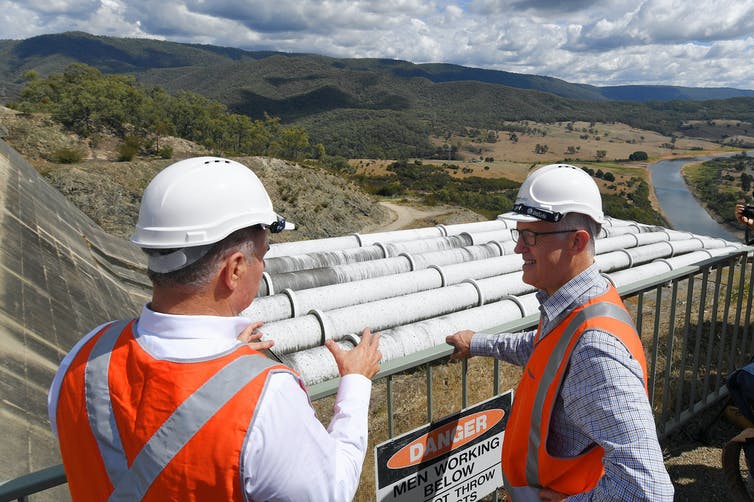
Snowy Hydro, New South Wales — Robotic Waterjetting Delivers Up to 5× Manual Cleaning Productivity
Key performance metrics
1,000+ m2Daily ProductionTwo robotic cleaning systems |
4-5XManual Cleaning RatePer robotic system |
300-400%Higher ProductivityOne robot vs One manual worker |
At the Tumut-2 hydroelectric power station, six large penstocks required extensive removal of organic growth. Their steep incline, elevated surfaces and slippery conditions made conventional manual cleaning both challenging and hazardous.
Onsite trials demonstrated that a single VertiDrive M7 robotic cleaning system could match the productivity of four to five personnel working manually — equivalent to a 300–400% increase in cleaning productivity compared with one manual worker.
With two robotic systems operating onsite, the contractor achieved cleaning rates exceeding 1,000 m² per day, while reducing the need for personnel to work on hazardous surfaces.
The project was completed on schedule and within budget. Read the Snowy Hydro robotic waterjetting case study
Frequently Asked Questions
What is the difference between high pressure and ultra-high pressure waterjetting?
Both use water alone, but UHP works at much higher pressure, which lets it remove more tightly bonded deposits and coatings. Standards bodies and suppliers draw the line in different places, so ask what pressure and flow a given system actually delivers rather than relying on the label.
Can waterjetting damage the equipment being cleaned?
Not when it is set up correctly, but poor technique can. Pressure regulation, the right nozzle angle and stand-off distance, and a test patch on sensitive materials such as aluminium, thin steel or composites all help protect the surface.
Does waterjetting replace chemical cleaning?
In many cases it removes the need for cleaning chemicals, because the water does the work mechanically. Some deposits may still call for a chemical step, so describe your deposit to a BlastOne specialist before you decide.
How are wash water and removed material handled?
Wash water and solids need to be contained and recovered, commonly with vacuum recovery, then handled according to what was removed and your site and local requirements. Plan this before the job starts, not after.
Can one pump run both manual and robotic tools?
Often yes, provided the pump’s pressure and flow match what each tool needs. Check the requirements of the tool you plan to use before you commit.
Who can operate HP and UHP waterjetting equipment?
Only trained operators. Training should cover the equipment and its pressure ratings, PPE, emergency procedures and, where relevant, confined space entry.
Should I hire or buy?
Hire for one-off shutdowns, peak loads or trialling a method. Buy if you have regular, predictable cleaning work. A BlastOne specialist can help you compare the two for your job.
You May Be Interested

Talk to BlastOne About Your UHP Surface Preparation Project
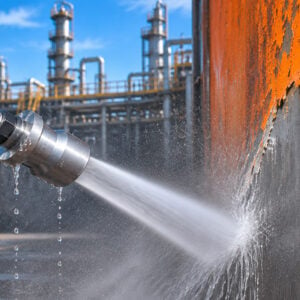
Planning an industrial coating removal or surface preparation project? BlastOne can help you evaluate whether UHP waterjetting is appropriate for your substrate, existing coating system, required surface condition and site constraints.
From manual waterjetting equipment to robotic coating removal systems, our specialists can help you assess equipment options, production requirements, access limitations and containment considerations.
Contact BlastOne to discuss your project and identify a practical surface preparation solution.
Contact BlastOne
We love to talk to customers and help them make the best decisions when purchasing Air preparation and drying equipment.
You can reach us via our Live Chat, Email, Phone, and Online Form.