My Account


Understanding Waterjetting
Discover how waterjetting can be used for surface preparation, industrial cleaning, and concrete remediation, and when manual or robotic equipment may be appropriate.
What is waterjetting?
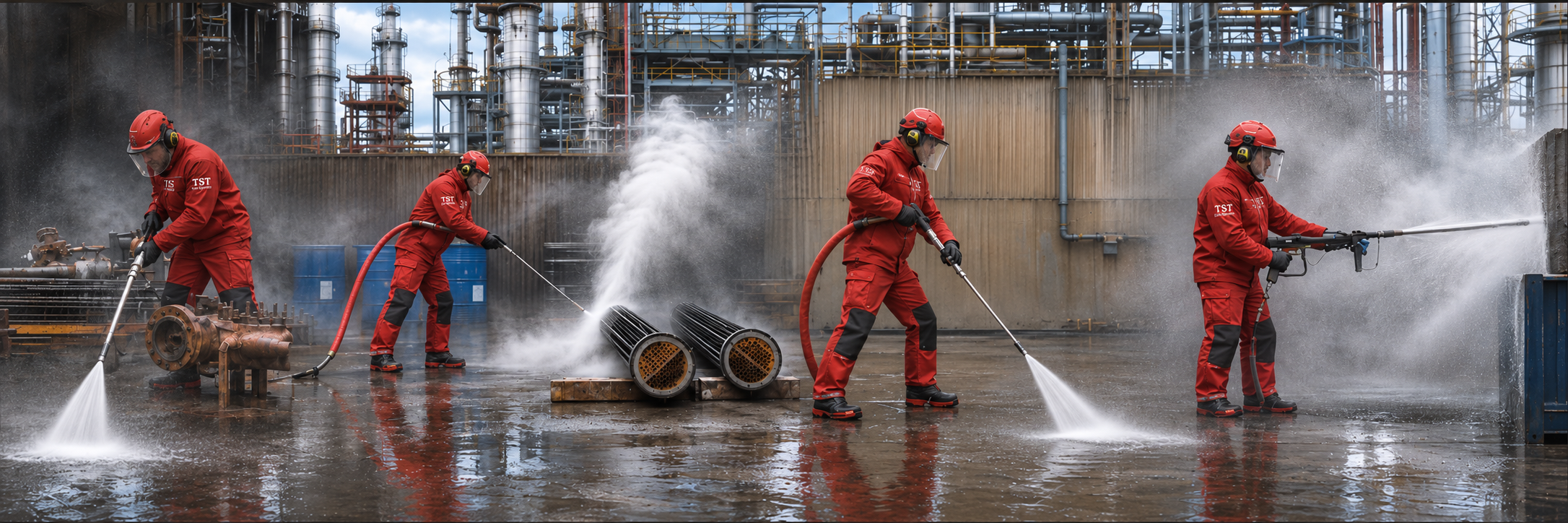
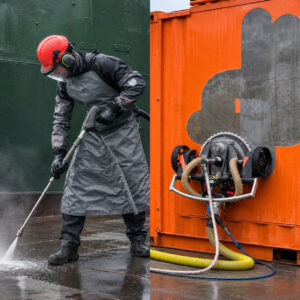
Waterjetting is the use of pressurised water to clean, prepare, cut or remove material from a surface. Depending on the pressure, water flow, nozzle and application tool, it can be used for anything from industrial cleaning to demanding coating removal and concrete demolition.
Unlike abrasive blasting, water jetting does not usually require abrasive media to strike the surface. This can significantly reduce the volume of spent abrasive that needs to be collected, transported and disposed of after the work while also helping reduce airborne dust.
The result depends on more than pressure alone. Water flow, nozzle design, stand-off distance, travel speed and the condition of the material all influence performance.
What is ultra-high-pressure waterjetting?
Ultra-high-pressure waterjetting, commonly shortened to UHP waterjetting, uses specialised pumps and tooling to deliver water at extremely high pressures for demanding cleaning, coating removal and surface-preparation work. It is commonly used where conventional high-pressure waterjetting does not provide sufficient energy to remove tightly bonded coatings, corrosion, scale or contamination.
UHP waterjetting can remove coatings and contaminants without introducing abrasive media, making it particularly useful for industrial surface preparation where reducing spent abrasive waste is a priority. However, the required surface condition, production rate and effectiveness depend on the complete system configuration, not pressure alone.
What is robotic waterjetting?
Robotic waterjetting uses remotely operated equipment to position and move the waterjetting tool across a surface. Depending on the machine, robotic systems can work on floors, walls, curved structures and overhead areas.
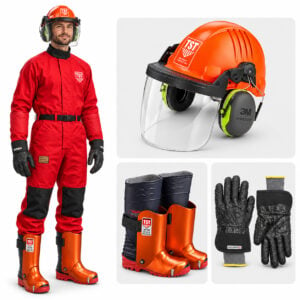
Robotic equipment can improve consistency by controlling travel speed and nozzle stand-off. It can also increase the distance between the operator and the active nozzle, although trained personnel, exclusion zones, PPE and safe operating procedures are still required.
Pressure washing, waterjetting and hydrodemolition
METHOD
PRIMARY PURPOSE
COMMON USES
Pressure washing
General cleaning
Dirt, loose deposits and routine surface cleaning
High-pressure waterjetting
More demanding cleaning applications
Deposits, coatings, scale and industrial cleaning
UHP waterjetting
Heavy-duty coating removal and surface preparation
Coatings, corrosion, contamination and surface preparation
Hydrodemolition
Controlled concrete removal
Concrete repair, rebar exposure and deteriorated concrete removal
Three Main Applications of Waterjetting
Waterjetting is used across a wide range of industrial applications, from removing protective coatings and cleaning equipment to selectively removing deteriorated concrete. Explore the three primary applications to understand their different purposes, methods and equipment requirements.
Surface Preparation
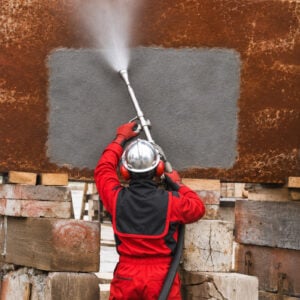
Ultra-high-pressure waterjetting removes coatings, corrosion and contaminants from steel and other suitable substrates. It is used in industrial maintenance and recoating projects where surface cleanliness, containment and preparation requirements are critical.
Industrial Cleaning
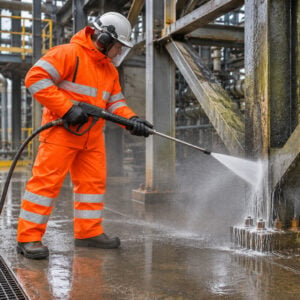
High-pressure waterjetting removes scale, deposits, sludge and accumulated contaminants from industrial equipment and infrastructure. Applications include process equipment cleaning, plant maintenance and restoring operational performance.
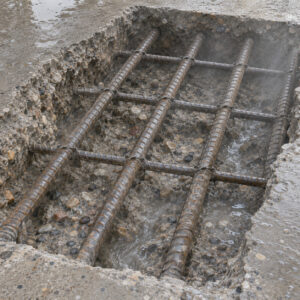
Hydrodemolition
Hydrodemolition uses high-pressure water to selectively remove deteriorated or unwanted concrete while helping preserve sound concrete and embedded reinforcement. It is commonly used in bridge rehabilitation, infrastructure repair and concrete remediation.
Waterjetting in Practice
See how high-pressure and ultra-high-pressure waterjetting have been applied to real industrial projects, from steel coating removal and infrastructure cleaning to concrete rehabilitation.
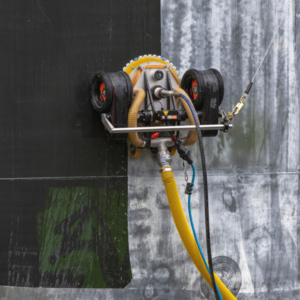
SURFACE PREPARATION
Yarra Valley Water – Tank Coating Removal
During the refurbishment of a 26.5-million-litre water tank in Victoria, robotic UHP waterjetting was used to remove the existing coating while recovering paint debris and wastewater. The VertiDrive system reduced noise and dust, helping minimise disruption to nearby residential areas.
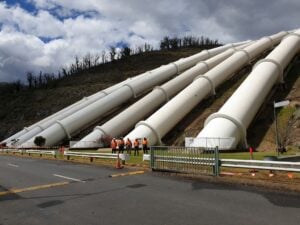
INDUSTRIAL CLEANING
Snowy Hydro – Robotic Penstock Cleaning
At Snowy Hydro in New South Wales, two VertiDrive M7 robots pressure-washed six large penstocks, achieving approximately 1,000 m² of cleaning per day. The robotic approach reduced the need for personnel to work on elevated, slippery pipe surfaces while delivering high cleaning productivity.
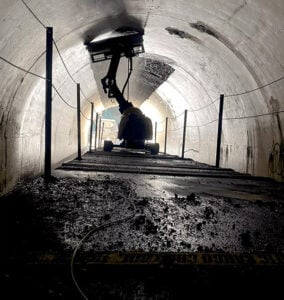
HYDRODEMOLITION
Portland Tunnel – Concrete Rehabilitation
During rehabilitation of Portland’s Cornell Road tunnels, a Conjet 557 hydrodemolition robot removed deteriorated concrete to accommodate new reinforcement and shotcrete. When unexpected concrete conditions required a revised repair strategy, the robotic system enabled controlled removal at the required depths, supporting successful completion of the repairs.
You May Be Interested
Contact BlastOne
We love to talk to customers and help them make the best decisions when purchasing Air preparation and drying equipment.
You can reach us via our Live Chat, Email, Phone, and Online Form.