My Account


Hydrodemolition uses high-pressure water to remove deteriorated or unwanted concrete while helping preserve reinforcing steel and sound surrounding structures. Commonly used in bridge rehabilitation, infrastructure repairs and concrete remediation, the process offers an alternative to mechanical demolition where controlled removal and protection of the remaining structure are important.
Explore this guide:
Understanding Hydrodemolition
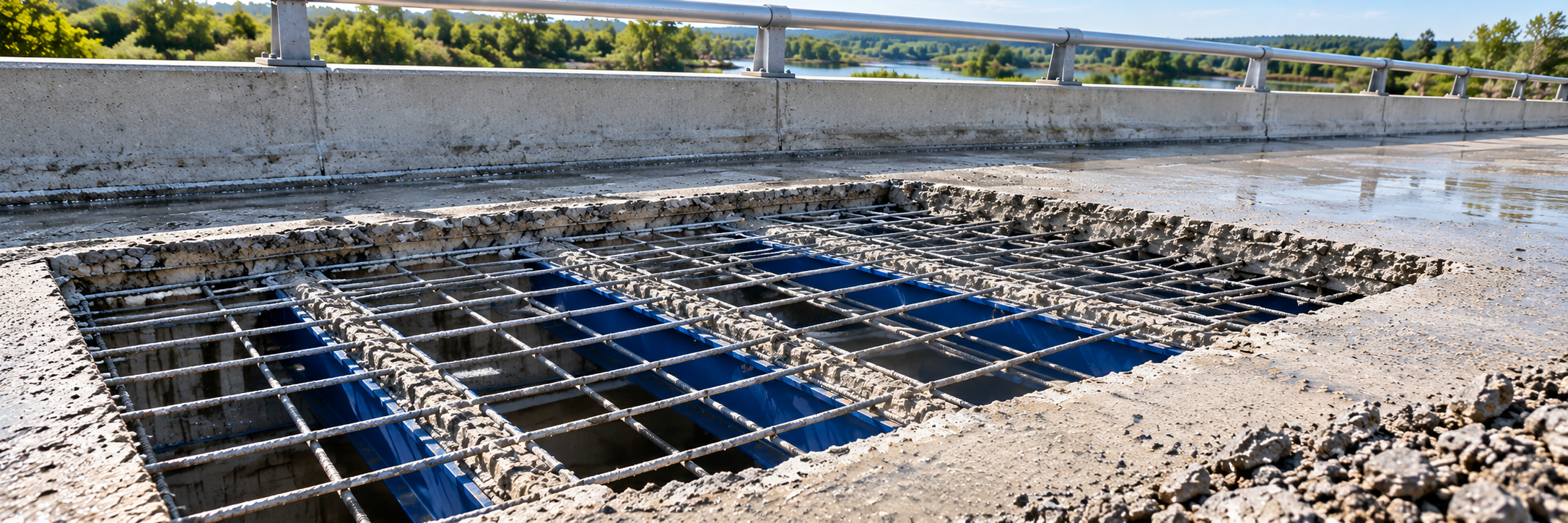
What is hydrodemolition?
Hydrodemolition is a controlled concrete-removal process that uses high-pressure water to selectively remove deteriorated, damaged or unwanted concrete. It is commonly used where the objective is to remove unsuitable concrete while preserving reinforcing steel and as much sound surrounding concrete as possible.
Unlike traditional mechanical demolition methods, hydrodemolition uses the energy of a high-pressure water stream rather than repeated mechanical impact to break apart and remove concrete.
In simple terms → Waterjetting is the broader technology.
↳ Hydrodemolition is a specialised application of waterjetting used for concrete removal and remediation.
How does hydrodemolition work?
Hydrodemolition uses specialised high-pressure pumps and waterjetting tools to direct powerful water streams onto a concrete surface. The water penetrates cracks, pores and weakened areas of the concrete, creating forces that fracture and dislodge material.
Depending on the application, the equipment can be configured to remove a controlled depth of concrete or target deteriorated material while retaining sound surrounding concrete.
Robotic hydrodemolition equipment is commonly used to control nozzle movement, travel speed and removal patterns across larger areas. Manual tools may be appropriate for smaller, localised repairs or areas with restricted access.
The effectiveness of the process depends on water pressure, flow, nozzle configuration, concrete condition, travel speed and the required removal depth.
Why use hydrodemolition instead of mechanical removal?
Hydrodemolition offers several advantages over conventional mechanical concrete-removal methods, particularly where the remaining structure and reinforcing steel must be protected.
| Requires management of dust, rubble and other debris |
The suitability of either method depends on the concrete condition, structural requirements, access, environmental controls and project specifications.
When is hydrodemolition appropriate?
Hydrodemolition is commonly considered when deteriorated concrete must be removed while protecting the remaining structure or reinforcing steel.
It can be particularly useful for concrete rehabilitation projects where selective removal, reduced mechanical impact and preparation of the remaining surface for repair are important.
However, hydrodemolition is not necessarily the most practical solution for every project. Water availability, wastewater containment, equipment access, removal depth, production requirements and the condition of the existing concrete must all be considered.
The next section explores where hydrodemolition is used in concrete rehabilitation projects, including bridges, tunnels, marine structures and other infrastructure requiring controlled concrete removal.
Where Hydrodemolition Is Used
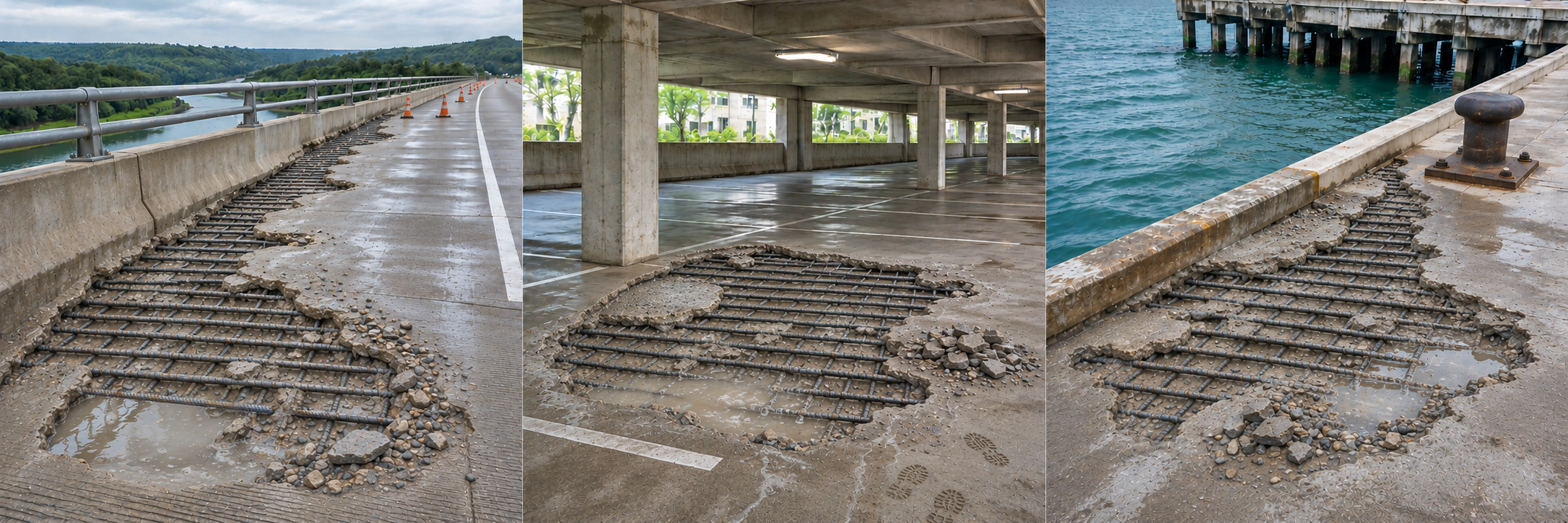
Hydrodemolition is used in concrete rehabilitation projects where deteriorated, damaged or unwanted concrete must be removed while protecting reinforcing steel and the surrounding structure. Common applications include bridges, tunnels, dams, marine infrastructure and other concrete structures requiring selective removal before repair or restoration.
Concrete Rehabilitation and Infrastructure
Hydrodemolition is particularly useful for infrastructure rehabilitation projects where deteriorated concrete must be removed while preserving reinforcing steel and sound surrounding concrete.
- Concrete cancer removal
- Rebar exposure
- Bridge deck repair
- Tunnel restoration
- Parking structure repair
- Dams and spillways
- Wharves and marine structures
Why Contractors Choose Hydrodemolition
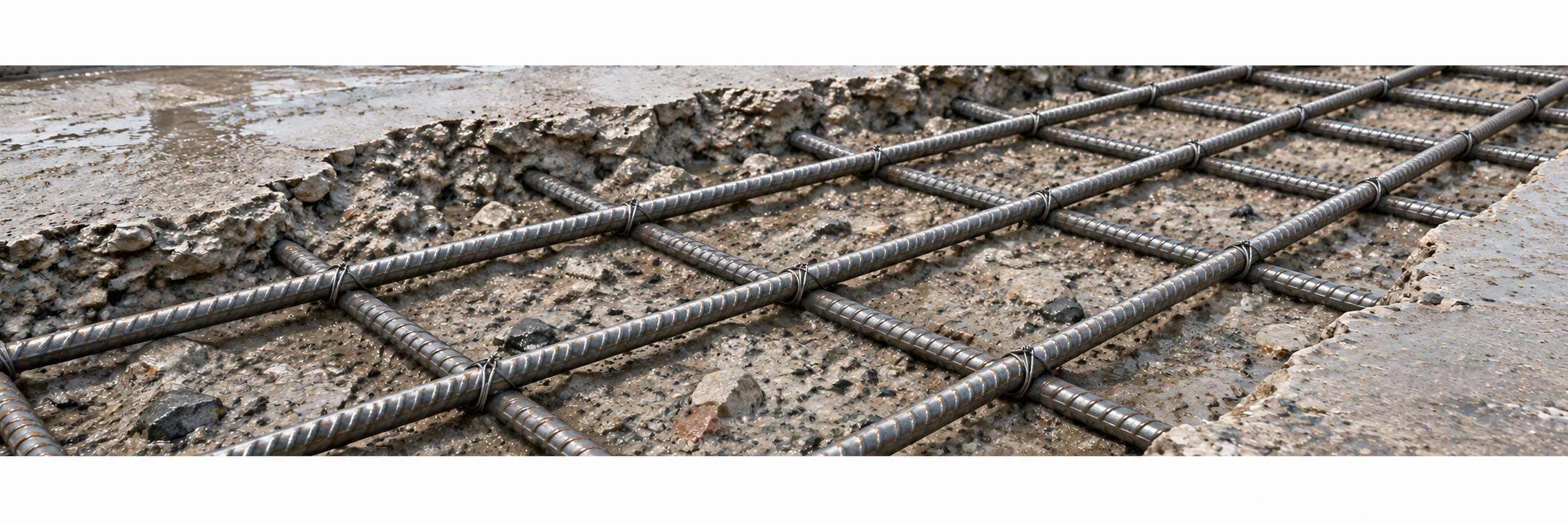
Key Benefits of Hydrodemolition
Hydrodemolition offers several advantages over conventional mechanical concrete-removal methods, particularly where protecting the remaining structure is important. By using high-pressure water rather than repeated mechanical impacts, the process can support selective concrete removal, preserve reinforcing steel and reduce vibration during structural rehabilitation.
Concrete Surface Preparation for Repair
Hydrodemolition removes deteriorated concrete while leaving a roughened surface that can be suitable for subsequent repair materials. This helps prepare the remaining concrete for rehabilitation, although the final surface condition must meet the requirements of the specified repair system.
Less Airborne Dust
Water-based removal methods can generate less airborne dust than dry abrasive blasting, grinding or mechanical demolition. However, appropriate controls are still required to manage water mist, airborne contaminants and removed materials.
Controlled Robotic Operation
Robotic hydrodemolition systems can provide consistent concrete removal by controlling nozzle movement, travel speed and removal patterns. Remote operation also allows operators to work farther from the active waterjet, helping reduce direct exposure when appropriate safety procedures and exclusion zones are maintained.
Reduced Impact and Vibration
Unlike mechanical breakers, hydrodemolition does not rely on repeated mechanical impacts to remove concrete. This can reduce vibration and the risk of impact-induced microcracking in the remaining concrete, making it particularly useful for structural rehabilitation projects.
Reinforcing Steel Can Remain in Place
Hydrodemolition can remove deteriorated concrete from around reinforcing steel without the direct cutting action associated with some mechanical removal methods. This allows reinforcement to remain accessible for inspection, treatment and repair while helping preserve sound surrounding concrete.
Manual vs. Robotic Hydrodemolition
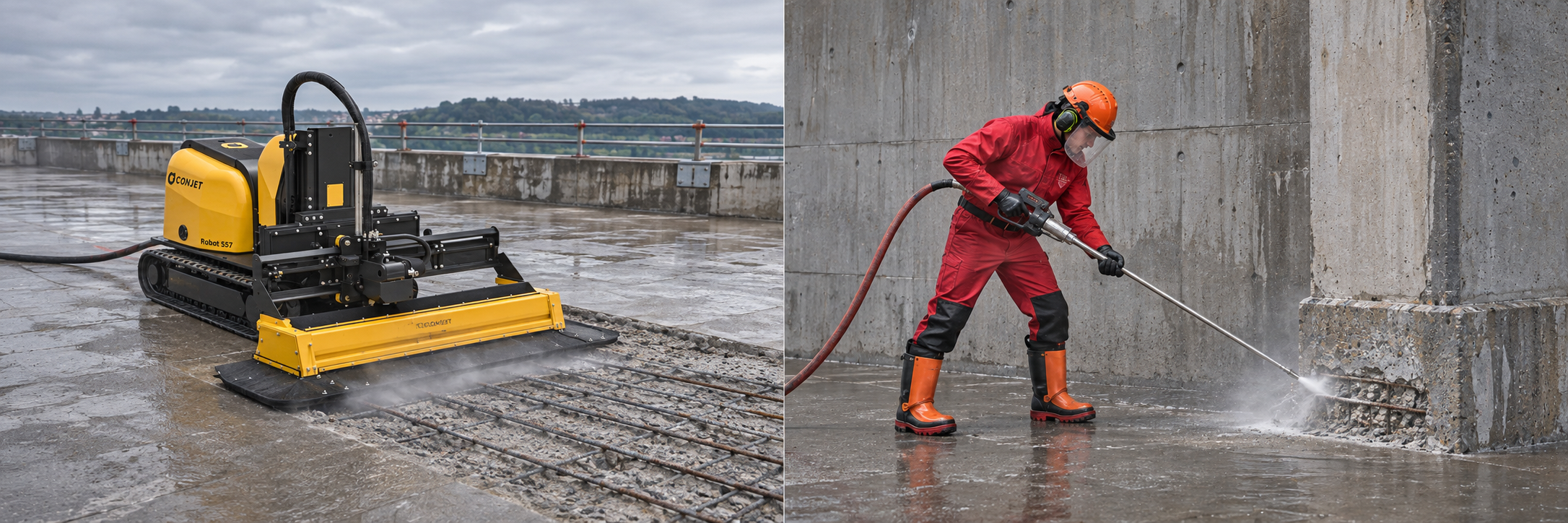
Hydrodemolition can be performed using handheld waterjetting equipment or remotely operated robotic systems. The appropriate approach depends on the size and accessibility of the work area, the required removal depth, the condition of the concrete and the project’s safety and productivity requirements.
Manual Hydrodemolition
Manual hydrodemolition may be suitable for localized concrete repairs, confined spaces and areas where robotic equipment cannot easily operate. It offers flexibility for irregular surfaces and smaller work zones, but requires careful management of operator exposure, fatigue and high-pressure water hazards.
Robotic Hydrodemolition
Robotic hydrodemolition is often preferred for larger concrete-removal projects where consistent coverage, controlled removal depth and productivity are important. Remotely operated systems can reduce the need for operators to work directly beside the active waterjet, although site access, equipment positioning and wastewater management must be considered.
For a more detailed comparison of operating methods, equipment considerations and applications, see our Manual vs. Robotic Waterjetting guide.
Hydrodemolition Equipment and Safety Considerations
Hydrodemolition requires more than a high-pressure pump and waterjetting equipment. Successful concrete removal depends on selecting suitable equipment, controlling water pressure and flow, managing wastewater and establishing appropriate safety procedures. These requirements vary with the concrete condition, removal depth, site access and surrounding structures.
What Equipment Is Required for Hydrodemolition?
A complete hydrodemolition system involves more than a high-pressure pump. Equipment selection depends on the concrete condition, required removal depth, project accessibility, water supply and safety requirements.
- High-pressure or UHP pump: Supplies the pressure and water flow needed for controlled concrete removal.
- Manual or robotic tooling: Directs the waterjet across the concrete surface, allowing operators to control the removal area and depth.
- High-pressure hoses and connections: Appropriately rated components deliver pressurised water from the pump to the application tool.
- Nozzles and orifices: Control waterjet characteristics to achieve the required concrete removal performance.
- Control and pressure-release systems: Allow operators to control, divert and safely depressurise the system.
- Water supply and filtration: Provide sufficient water volume and quality for reliable equipment operation.
- Containment and recovery: Capture wastewater, concrete debris and other contaminants for appropriate treatment or disposal.
- Waterjetting PPE: Task-specific protective equipment selected to address high-pressure water hazards and site conditions.
How Much Pressure Is Required?
Water pressure, flow rate, nozzle configuration and operating technique influence the rate and depth of concrete removal. Higher pressure alone does not guarantee better results. Equipment settings must be matched to the concrete condition, reinforcing steel, removal requirements and project specifications.
Wastewater Management
Hydrodemolition generates wastewater containing concrete particles and potentially other contaminants. Projects must account for water supply, containment, collection, treatment and disposal in accordance with site requirements and applicable regulations. Planning these systems before work begins is essential, particularly on bridges, elevated structures and environmentally sensitive sites.
Important
This page provides general information only. It does not replace formal operator training, manufacturer instructions, site-specific risk assessments, safe work method statements or applicable safety requirements.
For more detailed information about operator protection, high-pressure water hazards and safe working practices, see our UHP Waterjetting PPE & Safety guide.
Planning a Hydrodemolition Project
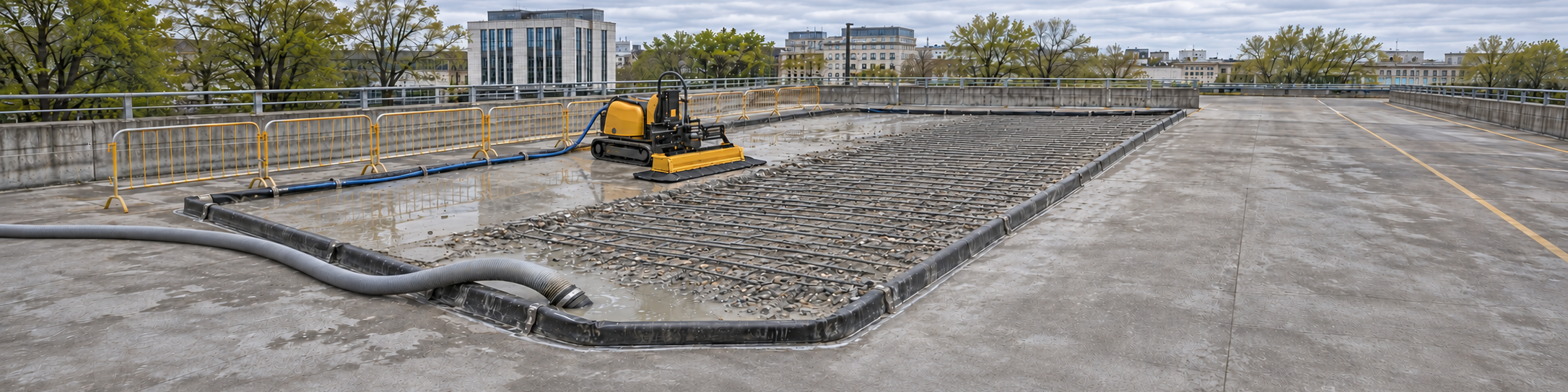
Successful hydrodemolition projects begin with understanding the concrete condition, the required removal depth, what must remain intact and how the work can be completed safely and efficiently.
Define
→
Protect
→
Assess
→
Select
→
Trial
STEP
MEANING
01 Define Removal
Identify the deteriorated or unwanted concrete to be removed. Establish the required removal depth, boundaries and final surface condition.
02 Protect Structure
Identify reinforcing steel, sound concrete and adjacent structural elements that must remain undamaged during removal.
03 Assess Access
Evaluate the work area's size, orientation, accessibility, water supply, wastewater containment and environmental restrictions.
04 Select System
Choose suitable pressure, water flow, nozzle configuration, manual or robotic tooling and required safety controls.
05 Trial Area
Test the proposed system on a representative area to verify removal performance, achievable depth, surface condition and production rate before full-scale work.
Hydrodemolition Case Studies
Hydrodemolition is used in concrete rehabilitation projects where controlled removal, protection of structural elements and efficient project delivery are important. These two projects demonstrate how robotic hydrodemolition helped contractors overcome challenging concrete-removal requirements.
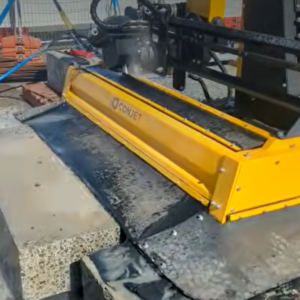
Bunbury, Western Australia — Robotic Hydrodemolition Completes Concrete Removal Ahead of Schedule
A concrete rehabilitation project in Bunbury, Western Australia, demonstrated the productivity benefits of robotic hydrodemolition.
Using a Conjet 557 system, the contractor removed concrete to a depth of 150 mm while protecting post-tensioning cables. Work originally scheduled to take three months was completed in just three and a half weeks.
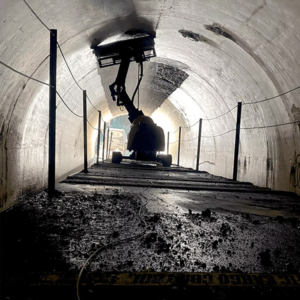
Portland, Oregon — Robotic Hydrodemolition for Tunnel Rehabilitation
The rehabilitation of Portland’s Cornell Road tunnels demonstrated how robotic hydrodemolition can address challenging concrete-removal requirements.
Using a Conjet 557 MPA system, contractors removed concrete from curved overhead tunnel surfaces to a specified depth of 150 mm. The project illustrates how robotic hydrodemolition can support controlled concrete removal in preparation for structural reinforcement and shotcrete repairs.
Frequently Asked Questions
What pressure is required hydrodemolition?
There is no single pressure suitable for every hydrodemolition project. The required pressure and water flow depend on concrete condition, removal depth, reinforcement layout and production requirements. Nozzle configuration and operating technique also influence removal performance.
Is hydrodemolition the same as waterjetting?
Hydrodemolition is a specialised application of high-pressure waterjetting used for controlled concrete removal. While waterjetting includes a broad range of cleaning and surface preparation applications, hydrodemolition specifically focuses on removing concrete for structural rehabilitation and repair.
Can hydrodemolition remove concrete without damaging reinforcing steel?
Hydrodemolition can remove deteriorated concrete from around reinforcing steel while helping preserve the reinforcement. Unlike mechanical demolition, the process does not rely on repeated impacts. However, equipment configuration, operating parameters and the condition of the reinforcement must be assessed before work begins.
When should I use manual rather than robotic hydrodemolition?
Manual hydrodemolition may be suitable for smaller repair areas, confined spaces and detailed removal around complex structures. Robotic hydrodemolition is generally better suited to larger projects where consistent coverage, controlled removal depth and productivity are important.
Can hydrodemolition equipment be hired?
Yes. Depending on availability and project requirements, contractors may be able to hire high-pressure pumps, robotic hydrodemolition equipment and supporting components. BlastOne can help evaluate suitable equipment configurations for specific concrete-removal applications.
Should I hire or purchase waterjetting equipment?
Hiring may be more practical for short-term projects, specialised applications or occasional use. Purchasing may offer better long-term value when equipment is used regularly and the business has trained operators and maintenance resources.
Does hydrodemolition require wastewater management?
Yes. Hydrodemolition generates wastewater containing concrete particles and potentially other contaminants. Appropriate containment, collection, treatment and disposal must be considered during project planning, particularly when working around waterways or environmentally sensitive areas.
What are the advantages of hydrodemolition over mechanical concrete removal?
Hydrodemolition can selectively remove deteriorated concrete while helping preserve sound surrounding concrete and reinforcing steel. Because it uses high-pressure water rather than repeated mechanical impacts, it can reduce vibration and the risk of impact-related damage to the remaining structure. The suitability of either method depends on the concrete condition, removal requirements and project constraints.
You May Be Interested

Talk to BlastOne About Your UHP Surface Preparation Project
Planning an industrial coating removal or surface preparation project? BlastOne can help you evaluate whether UHP waterjetting is appropriate for your substrate, existing coating system, required surface condition and site constraints.
From manual waterjetting equipment to robotic coating removal systems, our specialists can help you assess equipment options, production requirements, access limitations and containment considerations.
Contact BlastOne to discuss your project and identify a practical surface preparation solution.
Contact BlastOne
We love to talk to customers and help them make the best decisions when purchasing Air preparation and drying equipment.
You can reach us via our Live Chat, Email, Phone, and Online Form.